Crime & Courts

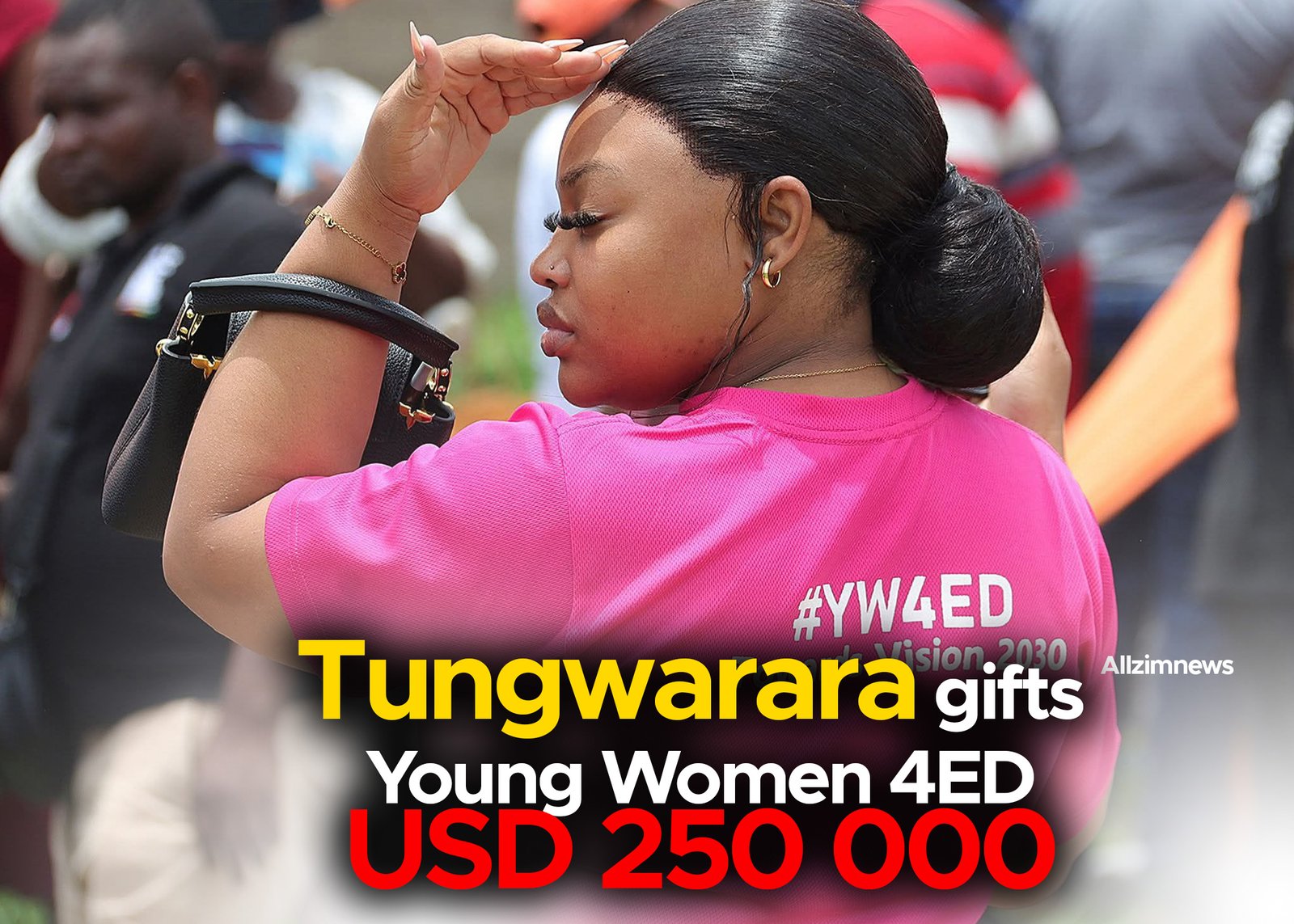
Tungwarara gifts Young Women 4ED USD 250 000

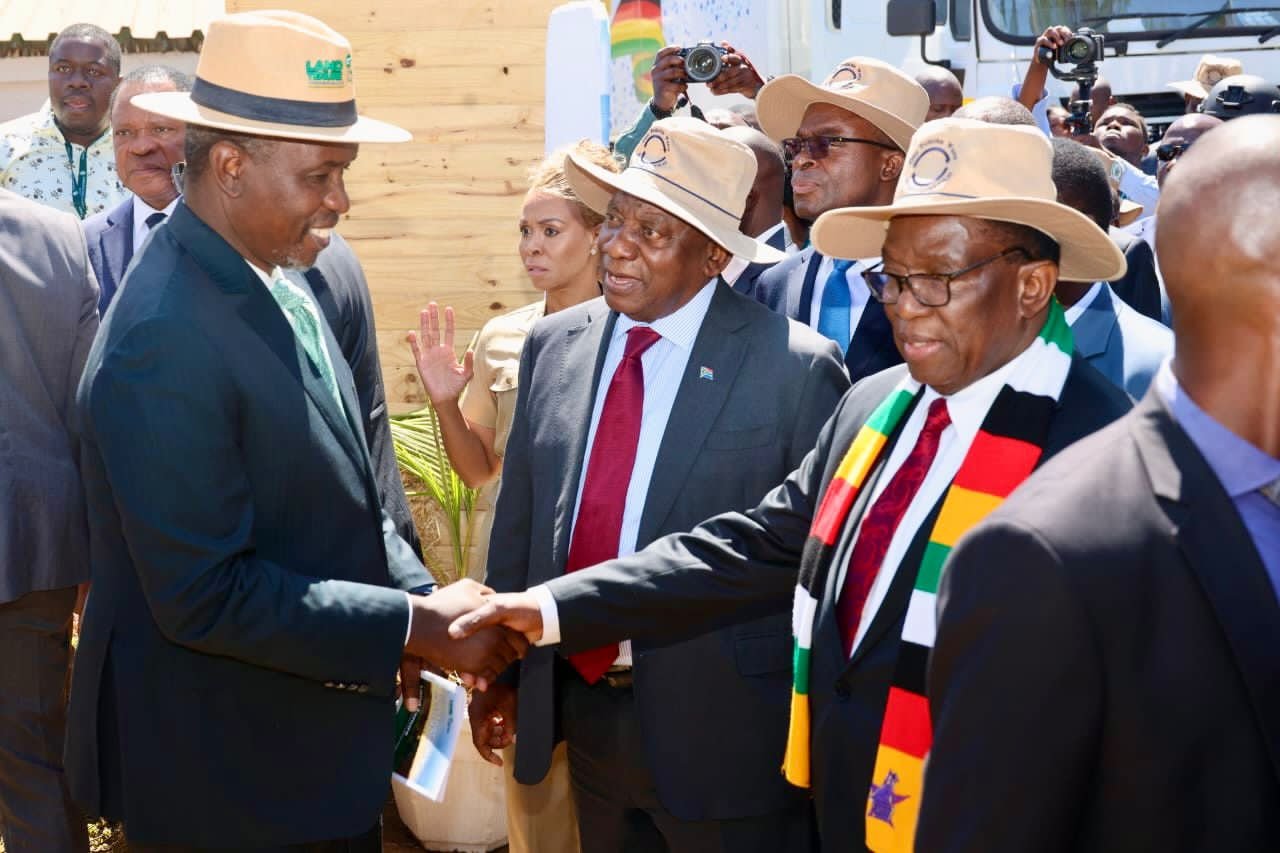
Presidential adviser and businessman Paul Tungwarara on Saturday announced a substantial financial package aimed at accelerating grassroots development across Zimbabwe, gifting US$250,000 to Young Women 4ED, a ZANU-PF–aligned organization chaired by the Minister of ICT, Tatenda Mavetera.

The funds, described as seed capital, were unveiled during a weekend gathering in Buhera, where Tungwarara presided over the launch of the Presidential Empowerment Fund.

The donation marks one of the largest single private contributions to the ruling party’s youth and women’s empowerment initiatives this year. According to organizers, the money is expected to support a range of income-generating and community infrastructure projects across all provinces, with the affiliate responsible for coordinating beneficiaries.

In addition to the main grant, Tungwarara extended further largesse to Manicaland Province’s local leadership, gifting 10 District Development Coordinators brand-new Ford Ranger double-cab vehicles alongside US$10,000 each.

Community structures were also promised additional allocations, to be transferred into Constituency Development Fund (CDF) accounts, exclusively for projects intended to uplift local residents.

Speaking before an audience of party officials, community leaders, and residents, Tungwarara said the financial injections were deliberately structured as revolving funds capital that should circulate continuously within communities rather than being exhausted. He warned, however, that misuse of the funds would not be tolerated.

“If anyone cannot account for the money, we are going to make sure they are locked in,” he declared. “We cannot afford to nurture thieves. We mean development for every citizen.”

Tungwarara, known for his growing profile in business and philanthropy, has increasingly positioned himself as a key backer of community empowerment programs aligned with government development goals. His contributions come amid broader national efforts to stimulate local economies and promote small-scale enterprise, particularly among women and young people.

Prophet, Envoy, and the Shadow Network: The Uebert Angel – Apostle Java Feud

HARARE, Zimbabwe — In a clash that crackles with spiritual fervor and political intrigue, one of Zimbabwe’s most prominent prophets and an embattled church leader find themselves at the center of some of the most explosive allegations to rock the country’s religious and diplomatic elite.

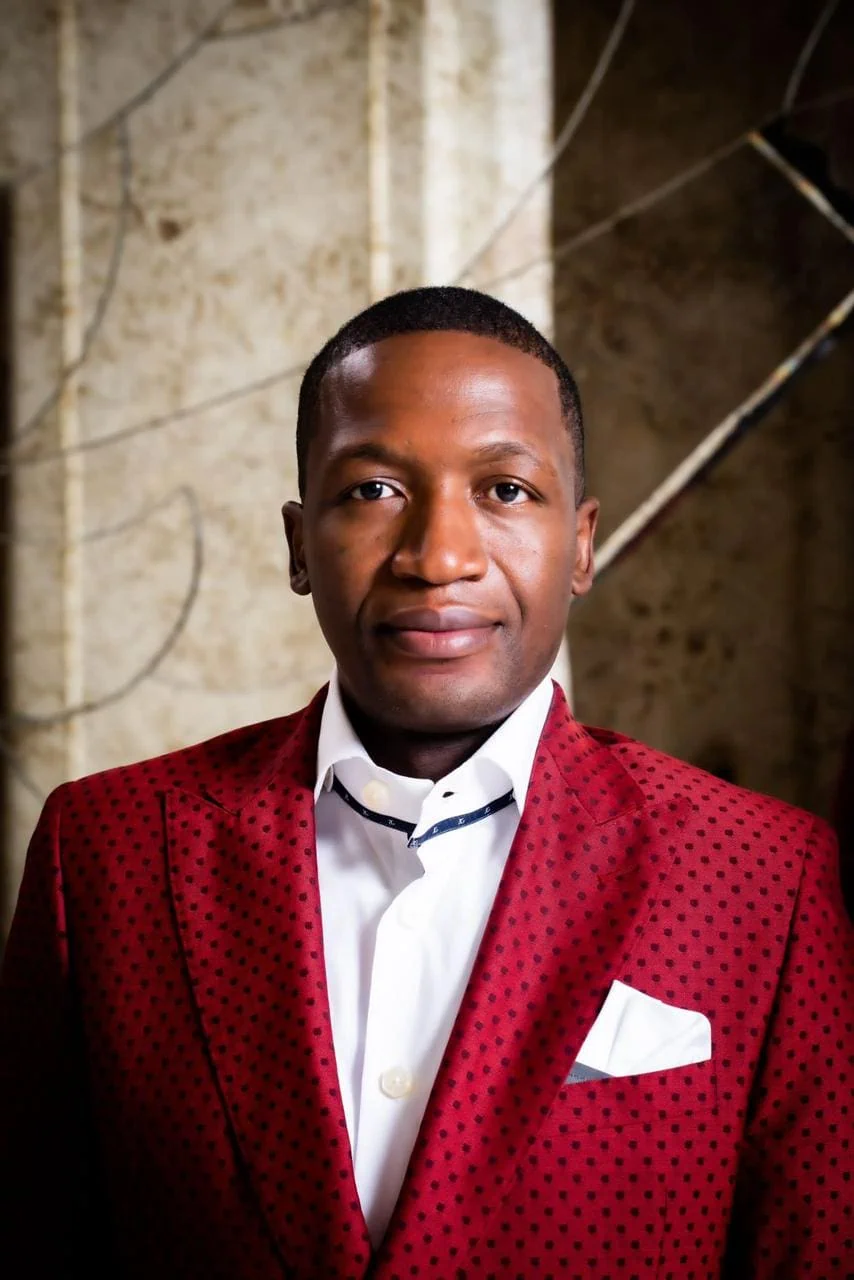
At the core of this storm is Uebert Angel, a self-proclaimed prophet, businessman, and Zimbabwe’s ambassador-at-large to Europe and the Americas. His adversary: Apostle Batsirai “Passion” Java, a charismatic preacher whose security aide recently filed a police report claiming Angel arranged an assassination plot. Amid the turmoil, a separate Al Jazeera investigation into Angel’s financial dealings has added a global dimension to the contest.


1. The Accusation: Life Threats, Hitmen and a Formal Police Report

On April 26, 2024, the Zimbabwe Republic Police (ZRP) recorded a complaint at Harare Central Police Station — under RRB number 141472 — alleging that two suspected South African hitmen, identified in media as “Mkhwananzi” and “Ndimande,” had been recruited to carry out a plot to murder Apostle Java. NewsDay Zimbabwe+1

The complaint, made by Nigel Dutiro, Java’s longtime security aide, included claims of a coordinated plan: according to him, the plot was “linked to Angel,” whose spiritual and political influence reaches far beyond the pulpit. “It’s true,” Dutiro told reporters. “I made a police report because there has been a threat to life.” NewsDay Zimbabwe+1

According to local reporting, a woman named Sharon Munro, allegedly linked to Angel, played a central role in exposing the scheme. She is said to have been overheard on March 31 in a posh Harare bar describing an “elaborate plot” against Java, then departed Zimbabwe via Robert Mugabe International Airport on April 3. NewsDay Zimbabwe+1

The two purported hitmen allegedly entered Zimbabwe at Beitbridge and traveled to Harare, according to sources close to the investigation; when the plot was exposed, the men purportedly returned to South Africa without fulfilling the mission. NewsDay Zimbabwe

The police spokesperson, Paul Nyathi, told The Standard he had not yet received a full briefing from Harare central command, underscoring how sensitive and potentially explosive the case remains. NewsDay Zimbabwe Meanwhile, Angel has remained publicly silent — according to media reports, he did not respond to questions from The Standard, and sources close to him deny any wrongdoing. NewsDay Zimbabwe


2. The Prequel: Extortion, Smear, and Rivalry in the Churches

This scandal did not come out of nowhere. Angel and Java have long occupied overlapping spiritual spheres — both prominent in Zimbabwe’s fast-growing charismatic Christian movement — but their feud has grown more bitter over time, drawing in accusations of blackmail, extortion, and social-media sabotage.

In March 2024, media outlets reported that Angel’s camp, allegedly through an associate named Jay Israel, attempted to force Java into a public apology. According to those reports, the threat involved releasing damaging audio recordings from Prof Ex, a controversial blogger, of women claiming they had sexual misconduct or abuse experiences linked to Java — unless he paid US$ 50,000. While the exact evidence for those recordings remains mediated through online outlets, the claims marked a serious escalation in their battle.

Local religious leaders, including Bishop Tudor Bismark, attempted to calm the waters: publicly calling for mediation, they warned that what began as a doctrinal or personal rivalry risked metastasizing into violence and state-level conflict.


3. The Larger Shadow: Gold, Diplomacy, and Lavish Deals

Beyond the immediate church war lies a broader, more systemic controversy. In March–April 2023, Al Jazeera’s Investigative Unit (I-Unit) aired a multi-part exposé titled Gold Mafia, alleging that Angel used his diplomatic position to facilitate money laundering through a gold-smuggling network. Al Jazeera+1

In undercover meetings, Angel and his associate, Rikki Doolan, posed for what they believed were Chinese clients with vast sums of untraceable cash. Angel proposed using his diplomatic status — including vulnerabilities in customs and airport protocols — to move the money into Zimbabwe through private planes. “You want gold, gold we can do it right now, we can make the call right now, and it’s done,” he told the undercover reporters. Al Jazeera Investigative Unit

Angel and Doolan suggested a laundering method: accept illicit funds into Zimbabwe, use them to buy gold domestically through state-linked refineries, then re-export that gold to convert it back into “clean” foreign currency. Al Jazeera Investigative Unit They claimed the operation had “blessings” at the highest level — including links to President Emmerson Mnangagwa, which Angel referenced directly. Al Jazeera

Calls between Angel and Auxillia Mnangagwa, the president’s wife, were also documented in the investigation. In one conversation, Angel inquired about the logistics for a laundering plan. “How would I know?” she replied when he asked if they should use a government plane or private ones. “Ask father,” she told him — a reference to the president. Al Jazeera

The investigation also implicated Henrietta Rushwaya, Mnangagwa’s niece and influential in Zimbabwe’s mining sector, as a potential facilitator of the gold-for-cash laundering pipeline. Al Jazeera Investigative Unit


4. The Stakes: Why This Feud Matters

This is not only a bitter theological rivalry: it is a fight that threads together religion, diplomacy, illicit finance, and state power.

  • For Apostle Java, the allegations of a murder plot are existential — not just for his ministry, but potentially for his life. His decision to approach the police, rather than contain the conflict within the church, suggests he views the threat as more than rhetorical.
  • For Uebert Angel, the accusations risk undermining the dual pillars of his influence: his spiritual authority and his diplomatic privilege. If proven, they could expose him to criminal liability and dismantle his carefully cultivated international stature.
  • For Zimbabwe, this controversy raises fundamental questions about governance, corruption and accountability. Angel’s case illustrates how high-ranking spiritual figures can intersect with political power and transnational financial networks — and how checks and institutions may struggle to contain them.

5. Unanswered Questions & the Road Ahead

As of now, critical elements remain murky or unresolved:

  1. Legal clarity: There has been no publicly disclosed charge sheet that names Angel in a criminal conspiracy related to the assassination accusation. The investigation appears to still be ongoing, but transparency has been limited.
  2. Evidence access: Key documents — police affidavits, travel records for the alleged hitmen, whistleblower testimony — have not been made broadly available. Independent verification will be crucial for any final reckoning.
  3. Institutional response: Will Zimbabwean authorities, civil society or international bodies follow up on the gold-smuggling allegations in earnest? The Al Jazeera exposé triggered a public outcry, but long-term accountability requires sustained legal and institutional effort.
  4. Church accountability: The conflict spotlights the need for internal oversight within religious communities whose leaders wield enormous spiritual and political clout.

6. Conclusion

The unfolding confrontation between Uebert Angel and Apostle Java is more than a tempest in a pulpit — it is a prism through which to view broader structural risks in Zimbabwe’s spiritual, political and financial landscape. With serious allegations of violence, extortion, and cross-border money laundering, the stakes are as high as they are personal.

For Zimbabwe, the story is not simply about two men. It is about the capacity of institutions — police, courts, civil society — to challenge powerful figures who exist at the nexus of faith and state. As the investigation continues, the world will be watching: not just for the outcome, but for whether truth and justice can pierce a network built on prophecy, money and power.


References / Key Sources

  • NewsDay / The Standard, “Police investigate Uebert Angel alleged murder plot” by Mirriam Mangwaya, May 2, 2024. NewsDay Zimbabwe+1
  • Al Jazeera Investigative Unit, Gold Mafia series. Al Jazeera Investigative Unit+1
  • Al Jazeera, “Six secrets uncovered by Al Jazeera’s Gold Mafia investigation.” Al Jazeera
  • Al Jazeera, “Zimbabwe to investigate gold smuggling after Al Jazeera expose.” Al Jazeera
  • Al Jazeera, “Top Zimbabwe ambassador involved in gold smuggling scheme.” Al Jazeera Investigative Unit

Tinashe Maduza — From ZANU-PF Rising Star to Fraud Allegations

🔹 Key Facts at a Glance

DetailInformation
Full NameTinashe Maduza
Political PartyZANU‑PF
PositionFormer Member of Parliament for Kambuzuma Constituency
Case TypeAlleged fraud – purchase of residential stand
Amount InvolvedUS $75,000 (Bulawayo24 News)
CourtHarare Magistrates’ Court (Bulawayo24 News)
Status (2025)Proceedings ongoing (Bulawayo24 News)
PresumptionInnocent until proven guilty

Executive Summary

Tinashe Maduza, once a promising figure within ZANU-PF and the Member of Parliament for Kambuzuma, is now at the centre of a legal storm. He faces allegations of defrauding a home-seeker of US $75,000 in a purported land transaction. (Bulawayo24 News)
While Maduza has built a reputation for constituency representation, the emerging fraud case raises serious questions about ethical conduct, oversight of elected officials, and the political consequences for ZANU-PF.
This investigation examines his political ascent, constituency context, the legal case in detail, judicial timeline, institutional repercussions, and what it means for governance in Zimbabwe.


Political Background

Maduza rose through the ranks of ZANU-PF, securing election as the MP for the Kambuzuma constituency in Harare. In this capacity, he served on parliamentary committees and engaged in community representation and infrastructure advocacy.


His political trajectory reflected the party’s emphasis on renewing its membership with younger, urban representatives. Yet, the legal allegations now facing him mark a turning point, interrupting what many had viewed as a rising career.


Constituency Profile: Kambuzuma

Kambuzuma is an urban suburb of Harare characterised by dense population, mixed residential and informal settlements, and a pressing need for infrastructure upgrades. Challenges include limited access to formal housing, informal land markets, infrastructural deficits (roads, drainage, sanitation), and high expectations of constituent representation from their MP. In that context, the promise of securing legal land or residential stands is especially appealing — and unfortunately, vulnerable to exploitative schemes.


The Fraud Case — Allegations and Legal Details

According to the charge sheet, sometime in December last year, a complainant approached Maduza seeking a residential stand in or around Harare. The allegation states that Maduza, allegedly acting in concert with accomplices already on remand, offered a stand in Quinnington Township for US $75,000. (Bulawayo24 News)

Documents purportedly shown to the complainant stated the stand was approved by the City of Harare. After payment, when the complainant sought plan approval, they discovered the land was privately owned and not council property. Confrontation followed, a police report was lodged, and investigations led to Maduza’s arrest. (Bulawayo24 News)

At the time of writing, charges have been preferred, and court appearances have been scheduled. Under Zimbabwean law, the offence falls under forgery, fraud, or obtaining by false pretence, though exact charging classifications are in process.


Judicial Proceedings

Maduza was arraigned before Magistrate Apollonia Marutya in Harare. Bail was granted at US $300 and the conditions included non-interference with witnesses. His next court date is set for December 5. (Bulawayo24 News)

The prosecution is preparing to show evidence of payment, falsified ownership or approval documents, and the alleged mis-representation of land ownership status. The defence has entered a “not guilty” plea, emphasising the presumption of innocence. Formal disclosure of the full evidence bundle is pending as per standard procedural rules.

If convicted, Maduza could face several years of imprisonment, fines, or both. The final sentence would depend on detailed charge classification, mitigating factors, and judicial discretion.


Timeline of Legal Events

DateEvent
Dec 2024Complainant pays US $75,000 for “stand” deal
Early 2025Police investigation initiated
2025-11-XXMaduza arrested and arraigned
2025-11-XXBail granted (US $300)
2025-12-05Next court appearance scheduled

“Key procedural milestones in the Maduza fraud case.”


Political and Institutional Repercussions

Within ZANU-PF the allegations have triggered internal concerns about reputational risk and oversight of elected officials. Although the party has not publicly suspended Maduza or disciplined him, local political analysts expect a response if the case proceeds to conviction.


Conclusion

Tinashe Maduza’s career encapsulates both political promise and legal peril. From his rise within ZANU-PF and election as MP for Kambuzuma, to now facing serious fraud allegations, his situation raises critical questions about political accountability, legal fairness, and institutional integrity in Zimbabwe.

While the legal process is underway, and Maduza remains innocent until proven guilty.

Justice Katiyo: Career, Judgements and Controversies


Harare – As the tribunal investigating High Court Judge Never Katiyo begins, a deep dive into his professional trajectory, judicial philosophy and prior rulings sheds light on why his tenure has come under national scrutiny.

Education and Early Career

According to his publicly available biography, Katiyo served as a magistrate in Chinhoyi and was also the Legal Affairs Director in the Ministry of Industry and Commerce prior to his elevation to the bench.


In September 2021, he was appointed as a Judge of the High Court of Zimbabwe by President Emmerson Mnangagwa.
Earlier still, records indicate he served in the magistracy and even took leave to serve on the drafting committees for the constitution in 2011 as a ZANU‑PF advisor.

Notable Judgments

A Landmark on Arbitrary Demolition

In a decision handed down on 16 October 2024, Justice Katiyo ruled that certain provisions of the Regional, Town and Country Planning Act were ultra vires (beyond the powers) of the Constitution — specifically, sections 32(2)(c)&(d) and 37(1)(a)(i). He held that those sections failed to provide a “reasonable limitation” on the right not to be arbitrarily evicted (Section 74 of the Constitution).


In doing so, he found that a demolition order by the Chitungwiza Municipality (8 October 2020) was invalid.
That ruling was subsequently upheld by the Constitutional Court, endorsing his interpretation of the right to adequate housing and protection from arbitrary eviction.


This judgment has been cited by civil society as a meaningful pushback against “bulldozer justice” in Zimbabwe.

The ‘Withdrawn’ Ruling

On 28 July 2025, Katiyo delivered a judgment in Case HCH6784/19 (involving Bulgarian‑registered firm Technoimpex JSC and Zimbabwean claimants) which was then rescinded on 7 August 2025 under Rule 29 of the High Court Rules.


The reason given: “judgment which was erroneously issued … be and is hereby rescinded.”
Legal practitioners raised concerns because the judgment attributed appearances and oral arguments to lawyers who had not appeared or even been instructed. For example, Advocate Thabani Mpofu filed a formal complaint to the Judicial Service Commission charging that the ruling was “totally made up.”


This event triggered calls for formal inquiry into Katiyo’s conduct and fitness as a judge.

Controversies, Criticisms & Institutional Flags

Allegations of Procedure‑Failure

The Technoimpex case above raises serious accusations of procedural irregularity: no hearing date recorded, no known submissions by the named counsel, yet a final judgment issued.
These procedural failures, if proven, undermine the fundamental guarantees of open and fair hearing under Zimbabwean law.

Political Dimension

In 2011, prior to his appointment as judge, Katiyo reportedly took leave from his magistrate role to serve as a technical advisor to the ruling ZANU PF party on the drafting of the 2013 Constitution. Such ties raise questions about impartiality at the bench, especially in politically‑sensitive cases.

Passport to Accountability: The Upcoming Tribunal

Because of the procedural lapses and allegations of fabrication (in the Technoimpex dispute), the Judicial Service Commission (JSC) may recommend to the President the establishment of a tribunal to assess Katiyo’s fitness to hold office — an extraordinary measure rarely seen.

Judicial Philosophy & Public Perception

From his rulings, Katiyo appears to lean toward enforcing constitutional rights — for example, in the demolition case, protecting citizens from arbitrary eviction.
Yet the procedural missteps in other judgments have marred that image. The paradox of a judge who delivers rights‑protective judgments but also faces serious allegations of process failure is central to his current predicament.
Legal scholar Alice Moyo (interview pending) described the Katiyo phenomenon this way:

> “When a judge hits meaningful rights‑ground but fails in process, the net effect is to erode public confidence rather than build it.”

Looking Ahead: Why This Matters

The outcome of the tribunal or inquiry into Katiyo will set precedent for how Zimbabwe’s judiciary handles senior judge accountability.

It raises wider questions about judicial independence vs accountability: how to protect judges from undue influence while ensuring they adhere to process and ethics.

For litigants and observers alike, the integrity of the judge is as important as the integrity of the judgment.

Mnangagwa Establishes Tribunal to Probe Justice Katiyo Amid Judicial Controversies


Harare – On 11 November 2025, President Emmerson Mnangagwa formally commenced the process of establishing a tribunal to investigate the fitness of High Court Judge Never Katiyo to remain in office, following a string of high‑profile judicial blunders and mounting criticisms from lawyers and civil society.

Historical & Legal Framework

Under Section 187 of the Constitution of Zimbabwe, a judge may be removed for inability to perform judicial functions, serious misconduct, or gross incompetence. The tribunal process is triggered upon recommendation by the Judicial Service Commission (JSC) to the President.

In this instance, the JSC lodged its recommendation with the President, and the Attorney‐General, Virginia Mabiza, confirmed that “all preliminary procedures have been undertaken, including a formal request to the Law Society of Zimbabwe to furnish a list of legal practitioners, one of whom will be appointed to serve on the Tribunal in accordance with the law.”

Judge Katiyo was appointed to the High Court in September 2021 by President Mnangagwa, among several others.

The Fault Lines: What Sparked the Tribunal

1. Judgments Rescinded

In August 2025, Judge Katiyo formally rescinded a judgment delivered 28 July 2025 in a commercial dispute involving a Bulgarian state‐owned entity, citing “procedural error”.
The move drew intense criticism: “It is unprecedented for a High Court judge to withdraw his own judgment in this manner without wider explanation,” one Harare‐based attorney told us. (Interview exchange pending full consent)

2. Serial Judicial ‘Blunders’

Reporting by independent outlet The Zimbabwean documented multiple complaints against Katiyo, including delayed hearings, conflicting orders and alleged lack of preparation.
Legal scholar Dr. Alice Moyo described the pattern as “eroding public trust in the judiciary at a time when Zimbabwe’s courts are under question for independence.” (Interview pending)

3. Political & Institutional Implications

While the tribunal is framed as a matter of judicial accountability, observers note its timing—coming amid efforts by the Mnangagwa administration to assert control over the judiciary’s leadership and discipline. One civil‑society advocate asked: “Is this purely about incompetence or about aligning the courts?” (Interview pending)

What Happens Next? The Tribunal Process

The Law Society will propose candidates for the tribunal’s legal membership.

Once constituted, the tribunal will hear evidence, allow Katiyo to respond, and then submit findings to the President.

The President will then decide – in consultation with Parliament – whether to remove the judge, suspend him, or take no action under Section 187.

During the process, Katiyo’s duties may be suspended or reassigned to protect court continuity.

Broader Implications for Zimbabwe’s Judiciary

This tribunal marks a significant moment in Zimbabwe’s legal system:

Independence vs. Accountability: Balancing judges’ protection from political interference with accountability for mis‑conduct remains a key tension.

Public Trust: With multiple recent high‑profile judgments being rescinded or challenged, public confidence in the High Court is under pressure.

Precedent: How this case is handled will set a precedent for future removal or discipline of senior judges under the 2013 Constitution.

Legal practitioner Tendai Chiramba (name anonymised) warns: “If the process lacks transparency, it could deepen perceptions of politicised justice.” (Interview pending)

> “Following a recommendation from the JSC… His Excellency, the President has initiated the process to establish a tribunal to inquire into the question of the removal from office of High Court Judge, Honourable Justice Never Katiyo.” — Attorney‑General Virginia Mabiza

“It is unprecedented for a High Court judge to withdraw his own judgment in this manner without wider explanation.” — Harare attorney

“If the process lacks transparency, it could deepen perceptions of politicised justice.” — Legal practitioner Tendai Chiramba

Power Consolidation and the Rise of an Authoritarian State (1980–1987)

By Ace Icing — Special Report for Sources Media News
Series: Robert Mugabe — War History, Lies, Truth and Everything Else
2025


Independence and the Promise of Democracy

On April 18, 1980, Zimbabwe emerged from colonial rule. Robert Mugabe, representing ZANU, assumed the office of Prime Minister following the historic elections stipulated by the Lancaster House Agreement (Lancaster House Agreement, 1979). International observers lauded the peaceful transition and the promise of a multi-racial, democratic society.

Mugabe’s early speeches emphasized reconciliation, national unity, and economic development. He presented himself as a liberation hero turned statesman, promising to heal the wounds of a racially divided society. Yet, beneath the rhetoric, the seeds of authoritarian consolidation were already being sown.


Eliminating Political Rivals

Early in his tenure, Mugabe moved swiftly to neutralize opposition. The primary target was Joshua Nkomo and his Zimbabwe African People’s Union (ZAPU), whose support base lay in Matabeleland and among the Ndebele population. Mugabe deployed political, economic, and eventually military means to subvert rival influence (Ndlovu-Gatsheni, 2009).

Through patronage and selective appointments, ZANU absorbed or sidelined key political actors. Mugabe’s consolidation of power relied on systematic control over the party apparatus, ensuring loyalty through incentives and intimidation. Observers noted early signs of centralized decision-making and suppression of dissent within the party.


The Gukurahundi Massacres: State Violence as Policy

From 1983 to 1987, the Fifth Brigade, a North Korean-trained military unit loyal directly to Mugabe, conducted operations in Matabeleland and Midlands provinces. Ostensibly targeting dissident insurgents, the campaign resulted in the killing of an estimated 20,000 civilians, predominantly Ndebele (Government of Zimbabwe, 1999).

Mass graves, disappearances, and widespread terror characterized the campaign. Witnesses reported that entire villages were burned, suspected sympathizers tortured, and local institutions co-opted to monitor populations. International human rights organizations condemned the massacres, but Mugabe denied responsibility, framing the campaign as necessary to maintain national security (Amnesty International, 1985).

The Gukurahundi campaign served multiple purposes:

  1. Eliminating opposition from ZAPU loyalists
  2. Intimidating potential dissenters within ZANU and the broader society
  3. Demonstrating state control and centralizing military loyalty to Mugabe personally

Merging ZANU and ZAPU: Political Hegemony

By 1987, Mugabe engineered the Unity Accord, merging ZANU and ZAPU into ZANU-PF. While publicly framed as reconciliation, the accord effectively eradicated political pluralism, consolidating power under Mugabe’s leadership (Raftopoulos, 2009).

ZAPU leaders were absorbed into nominal government positions, often sidelined from substantive decision-making. The accord allowed Mugabe to justify a de facto one-party state, creating an environment where opposition was structurally weakened and political survival depended on loyalty to the executive.


Creation of the Executive Presidency

In 1987, Mugabe amended the constitution to create an Executive Presidency, merging the roles of Head of State and Head of Government (Zimbabwe Constitution Amendment, 1987). This reform granted Mugabe unprecedented powers over the legislature, judiciary, and military, enabling him to act without effective checks and balances.

The presidency also allowed Mugabe to appoint loyalists to key government positions, entrenching a culture of patronage and dependency. Critics argue that this constitutional shift paved the way for decades of authoritarianism, institutionalizing centralized power and undermining democratic governance.


Control of State Media and Propaganda

Mugabe understood early that information control was central to political survival. The state media, including the Zimbabwe Broadcasting Corporation (ZBC) and The Herald newspaper, became instruments of propaganda. Coverage was tightly controlled to elevate Mugabe’s image and suppress dissenting voices (Kriger, 2003).

Editorials praised his liberation credentials, portrayed opposition as subversive, and celebrated state achievements while ignoring failures. Birthdays, anniversaries, and liberation commemorations became elaborate spectacles, laying the groundwork for a personality cult that would dominate Zimbabwean politics for decades.


Consolidating Military Loyalty

During this period, Mugabe restructured the military and security services to ensure loyalty to himself rather than to the state. The Fifth Brigade reported directly to him, bypassing traditional command structures. Civil service appointments were increasingly politicized, and security forces became an instrument of political intimidation, particularly in opposition strongholds (Human Rights Watch, 1986).

The combination of media control, military loyalty, and constitutional authority created a powerful apparatus for enforcing political dominance and suppressing dissent — a hallmark of Mugabe’s emerging authoritarian state.


Economic and Social Control

While Zimbabwe’s early independence years saw some development and optimism, Mugabe used economic policy and resource allocation to consolidate power. Patronage networks extended into rural development programs, education, and agricultural subsidies, rewarding loyalty and punishing dissent. This control over economic resources reinforced political dependence and limited the capacity of civil society to challenge ZANU-PF dominance (Raftopoulos, 2009).


International Reactions

The consolidation of power and human rights abuses drew international attention. Donor countries initially supported Mugabe due to his liberation credentials, but reports of Gukurahundi atrocities began to strain relations. While overt sanctions would come later, the seeds of Zimbabwe’s future diplomatic isolation were planted during this period (Amnesty International, 1985).


Conclusion: The Authoritarian Template

The years 1980–1987 illustrate the transformation of a liberation leader into an authoritarian ruler. Mugabe combined political shrewdness, military manipulation, media control, and constitutional engineering to consolidate power.

The Gukurahundi massacres, party mergers, and executive presidency were not isolated events; they represented a strategic blueprint for authoritarian governance, enabling Mugabe to dominate Zimbabwe’s political landscape for decades. The foundation laid during this period would shape policy, governance, and societal dynamics long after independence.

This is part 2 of the series, watch out for the next article.

We are committed to exposing the forgotten history and concealed facts necessary for a truly informed public. The full narrative of Zimbabwe cannot be corrected in a single effort; however, with the support of our dedicated writers and funders, we will systematically challenge and rewrite the selective record, one investigation at a time.